Thursday, August 11, 2022

சிவபெருமான் வழிபாடு- வரலாற்று காலத்திற்கு முன்பானவை

இந்தியா முழுவதும் நாம் பரவலாக சிவபெருமான் வழிபாடு கோவில்கள் காணலாம். சங்க இலக்கியங்களில் சிவ வழிபாடு தெளிவாக உள்ளது. இவை எல்லாம் வரலாற்று காலத்தில் எழுந்தவை. வேதங்கள் 4000 ஆண்டு தொன்மையானவை அவடற்றிலும் சிவ வழிபாடு உள்ளது. நாம் தற்போது வரலாற்றுக்கு முந்தைய காலங்களில் சிவ வழிபாடு எனத் தொல்லியலாளர் அகழாய்வுகளில் கண்டவை காண்போம்

இந்த பாறை வசிப்பிடங்களை கண்டுபிடித்து, உள்ள ஓவியங்களை எல்லாம் ஆவணப் ப‌டுத்திய தொல்லியல் அறிஞர் வி.எஸ்.வாலங்கர். 

பீம்படுகா பாறை வசிப்பிடங்கள் என மத்தியப்பிரதேச  1 லட்சம் ஆண்டுகளாக வாழ்ந்தது அகழாய்வில் கண்டுபிடிக்கப்பட்டது. இந்த குகைப் பாறைகளில் தங்கள் வாழ்வினை வெண்/சிவப்பு சாந்து கொண்டு வரைந்த கோடு படங்களில் மிகப் பழமையானவை 30,000 ஆண்டுகள் தொடங்கி பொஆ.முதல் நூற்றாண்டு வரை என அறிஞர்கள் கணித்து உள்ளனர்

பீம்பேட்கா பாறை வாழிடங்கள் (Bhimbetka rock shelters: தேவநாகரி: भीमबेटका पाषाण आश्रय) என்பவை மத்திய பிரதேச மாநிலத்தில் ராய்சன் மாவட்டத்தில் அமைந்துள்ள தொல்லியல் களம் மற்றும் உலகப் பாரம்பரியக் களமுமாகும்.


பீம்பேட்கா பாறை வாழிடங்கள் வரலாற்றுக்கு முந்தைய கால இந்தியாவில் மனித வாழ்க்கையை அறிய உதவும் தடயங்களாக அமைந்துள்ளது. வரலாற்றுக்கு முந்தைய கால மக்களின் நடனம் மற்றும் வேட்டையாடுதல் முதலிய வாழ்க்கை முறையை அறிய இவ்வோவியங்கள் உதவுகின்றன.இந்த வாழிடங்களில் குறைந்தது 100,000 ஆண்டுகளுக்கு முன்பு ஹோமோ எரக்டஸ் போன்ற உயர்நிலை குடியேற்றம் ஏற்பட்டதை ஆய்வுகள் உறுதி செய்கின்றன. பீம்பேட்கா பாறை முகாம்களில் ஏறத்தாழ 30,000 ஆண்டுகள் பழைமையான கற்கால(பாலியோலித்திக் காலம்) பாறை ஓவியங்களும் கண்டறியப் பட்டுள்ளன.


பீம்பேட்கா என்றால் பீமன் அமர்ந்த இடம் என்பது பொருளாகும். மகாபாரத இதிகாசத்தில் வரும் வலிமை மிக்க வீரன், பாண்டவர்களில் ஒருவனான பீமன் இங்கு அமர்ந்ததால் இப்பெயர் பெற்றுள்ளது என்பர். 


The first archaeologist to visit a few caves at the site and discover its prehistoric significance was V. S. Wakankar, who saw these rock formations and thought these were similar to those he had seen in Spain and France. He visited the area with a team of archaeologists and reported several prehistoric rock shelters in 1957.

It was only in the 1970s that the scale and true significance of the Bhimbetka rock shelters was discovered and reported. Since then, more than 750 rock shelters have been identified. The Bhimbetka group contains 243 of these, while the Lakha Juar group nearby has 178 shelters. According to Archaeological Survey of India, the evidence suggests that there has been a continuous human settlement here from the Stone Age through the late Acheulian to the late Mesolithic until the 2nd century BCE in these caves. This is based on excavations at the site, the discovered artifacts and wares, pigments in deposits, as well as the rock paintings.


Pre-historic art[edit]

Scholars have interpreted early prehistoric paintings at the Bhimbetka rock shelters, considered to be from pre-10,000 BCE period,[61] as Shiva dancing, Shiva's trident, and his mount Nandi.[62] Rock paintings from Bhimbetka, depicting a figure with a trident or trishul, have been described as Nataraja by Erwin Neumayer, who dates them to the mesolithic.[63][b]

  1.  Klostermaier 2007, pp. 24–25: "... prehistoric cave paintings at Bhimbetka (from ca. 100,000 to ca. 10,000 BCE) which were discovered only in 1967..."
Klostermaier, Klaus K. (2007). A Survey of Hinduism, 3rd Edition. State University of University Press. ISBN 978-0-7914-7082-4
  1. ^ Javid 2008, pp. 20–21; Mathpal 1984, p. 220; Rajarajan 1996.
Javid, Ali (January 2008). World Heritage Monuments and Related Edifices in India. Algora Publishing. ISBN 978-0-87586-484-6.

  1. ^ Neumayer 2013, p. 104.
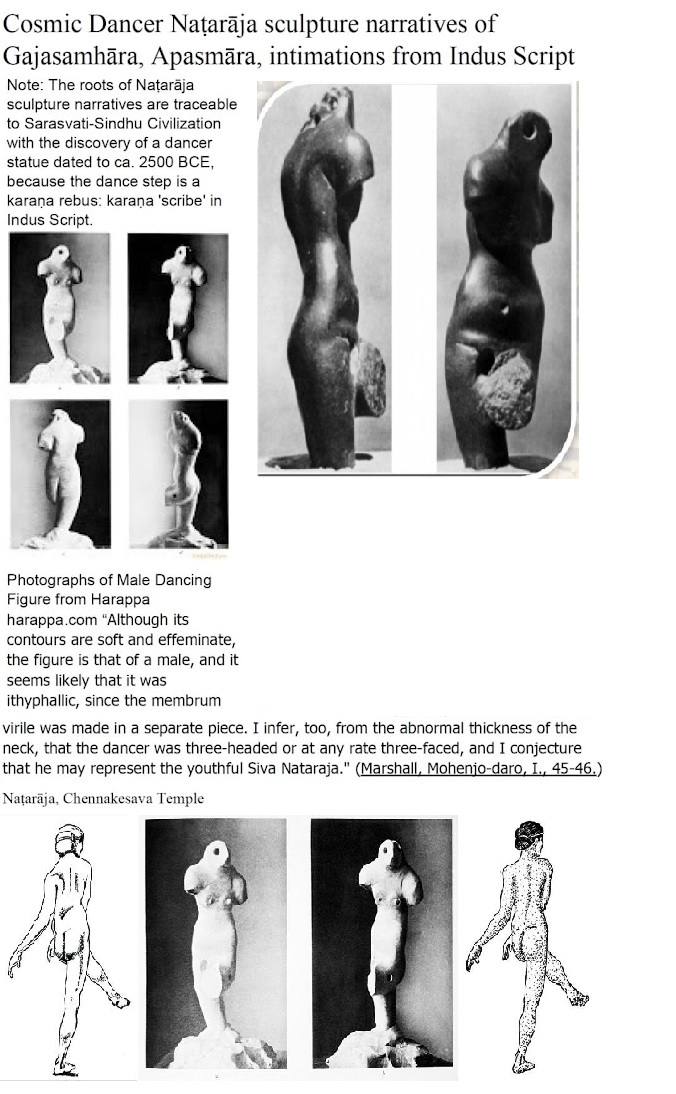
https://www.harappa.com/blog/male-dancer-harappa

சிவபெருமான் வழிபாடு, லிங்க ரூபமாக பல ஆயிரம் ஆண்டுகளாக தொடர்வது, நாம் அவற்றை தொல்லியல் தரவுகளோடு காண்போம்

சிந்து-சரஸ்வதி நதி நாகரீகத்தில் முதலில் கிடைத்தவை 3தலை, மாட்டுக் கொம்புகளோடு சுற்றிலும் மிருகங்கள் என உள்ள முத்திரை சிவ- ருத்ரரின் தொடக்க வடிவம் என பசுபதி முத்திரை எனப் பெயர் தரப்பட்டது.
from Harappa Galary - National Museum, Delhi.
சர்.ஜான் மார்ஷல் பசுபதி முத்திரை, மற்றும் பல நூறு மிகச் சிறிய லிங்கங்கள் என அறிவித்ததை தற்போது பெரும்பாலான அறிஞர்கள் ஏற்கவில்லை. 
மேலே ஹரப்பா லிங்கம் ஒன்றும் பிறகு காளிபங்கனில் கிடைத்த 4.5 இன்ச் லிங்கம் மட்டுமே ஓரளவு இருக்கலாம் என சிலர் ஏற்பதே இன்றைய நிலை. சங்க இலக்கியம் கூறும் யாகசாலை அமைப்பு என்பதும் அறிஞர்கள் இடையே கருத்து ஒற்றுமை இல்லை.
பீம்பேடுகா பாறை குகை வாழ்விடங்கள்

பிடா  சுடுமண் பஞ்சமுக லிங்கம் 

மத்திய பிரதேச மாநிலத்தில் பிடா எனும் இடத்தில் கிடைத்த சுடுமண் பஞ்சமுக லிங்கம் பொமு.100 வாக்கிலானது என சிந்துவெளி அகழ்வு செய்த R.D.பானர்ஜி கல்வெட்டு ஆதாரங்கள் கொண்டு குறித்தார்.
This is clearly a panchamukhalinga, depicting the five faces of Shiva, which are Isana, Tatpurusha, Aghora, Vamadeva, and Sadyojata. There is an inscription at the base and from a study of which based on the used characters, RD Banerji placed the linga to be of the 1st c. BCE. (This is now housed in the Lucknow museum).
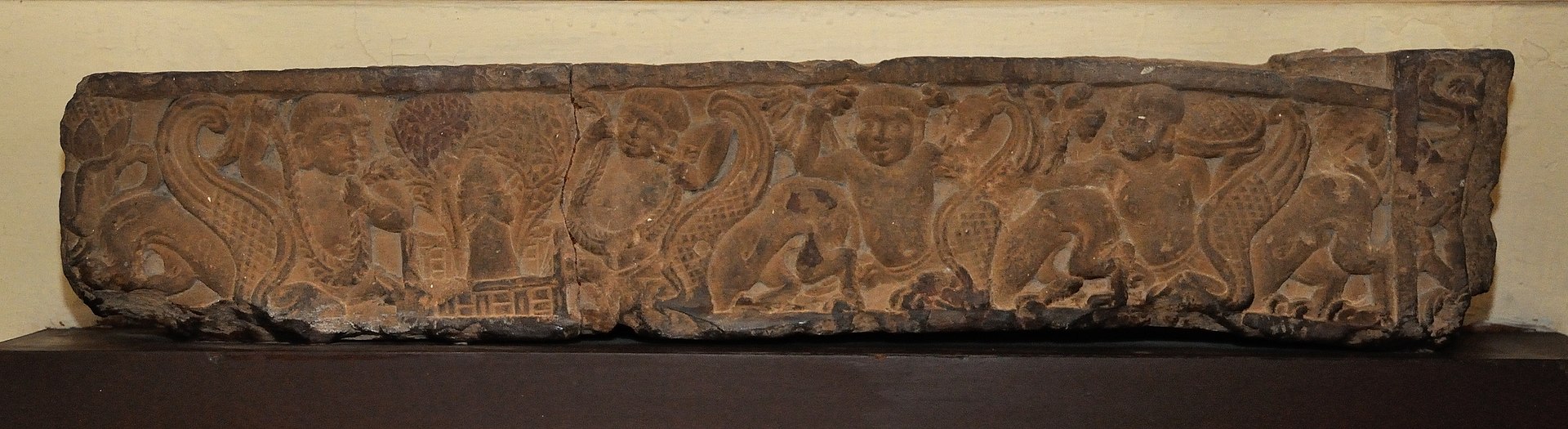
சுங்க அரச வம்சம் கால கற்பலகை பொமு.100 வாக்கிலானது- மரத்தடியில் சிவலிங்கம் வழிபாடு.
பஞ்சாப் அருகே பொமு 2ம் நூற்றாண்டு கால காசில் கோவில் மற்றும் திரிசூலம் உள்ளது.
பழைய உஜ்ஜயினி காசில் சிவபெருமான் கையில் கமண்டலம், பொமு 2ம் நூற்றாண்டு Ujjain city state c. 2nd century BC AE coin (15 mm, 2.17 g)
Obverse: Male deity Mahakal (Siva) standing right, holding Kamamdal; tree-in-railing to left Reverse: 4-orbed Ujjain symbol Ref: Pieper 281
https://www.vcoins.com/en/stores/ganga_numismatics/216/product/india_ujjain_copper_coin_with_shiva_standing_right_rare/1257900/Default.aspx


Ekamukha linga. Mathura. 1st cent. CE Excavated In Bhita Village Mathura Museum.
2000 Years Old Shiva Linga Kushana Period

Uttar Pradesh, Mathura, 1st century CE , India. Sandstone , Philadelphia Museum of Art
குஷான வம்சத்தில் பொஆ 1ம் நூற்றாண்டு ஆரம்பம் முதலாக முகலிங்க அமைப்பு வளர்ந்தது. அதன் அழகான வடிவம் ஆந்திரா திருப்பதி அருகில் குடிமல்லம் சிவலிங்கம் ஆகும்
Chaturmukha linga with a decorative band, Kushana era. National Museum, Delhi.
 

தலா தேவ்ராணி- ஜெதானி கோயில், சட்டிஸ்கர் மாறுபாடான‌ ருத்ர சிவமூர்த்தி திருவுருவம்!!! 

பழைய உஜ்ஜயினி காசில் சிவபெருமான் கையில் கமண்டலம், பொமு 2ம் நூற்றாண்டு Ujjain city state c. 2nd century BC AE coin (15 mm, 2.17 g)
Obverse: Male deity Mahakal (Siva) standing right, holding Kamamdal; tree-in-railing to left Reverse: 4-orbed Ujjain symbol Ref: Pieper 281
https://www.vcoins.com/.../india.../1257900/Default.aspx


பொயுமு187- இல் மௌர்ய பேரரசின் வலிமையற்ற வேந்தனான ப்ரஹத்ரதனைக் கொன்று விட்டு தளபதியாக இருந்த புஷ்யமித்ரன் அரசனான். இவனில் துவங்கிய சுங்க வம்சம் அந்தப் பேரரசை நூற்றுப்பத்து ஆண்டுகள் நடாத்தியது. மௌர்யர்கள் பரப்பியிருந்த பௌத்தத்தை நீக்கிய செயல் இவர்களுடையதே. புஷ்யமித்ரனின் மகனான அக்னிமித்ரனே காளிதாஸனால் தனது மாளவிகாக்னிமித்ரத்தில் கொண்டாடப்பெற்றவன். இவர்கள் காலத்தில் பலவிதமான வழிபாடு தொடர்பான கற்பலகைகள் கிடைக்கின்றன. மதுராவில் கிடைத்த இந்த இரண்டு கற்பலகைகளும் மிக இன்றியமையாதவை. ஒரு பலகையில் லிங்க வழிபாடு தெற்றென விளக்கப்பெற்றிருக்கிறது. கின்னரர்கள் இருபுறமும் மாலையேந்தி நிற்க நடுவே மரத்தடியில் சிவலிங்கமானது வீற்றிருக்கிறது. மற்றொரு கற்பலகையில் ஏகமுக லிங்கமானது வீற்றிருக்கிறது. இதுவும் மரத்தடித் திண்ணையில் வீற்றிருக்கும் வண்ணம் அமைந்திருக்கிறது. இவையிரண்டும் பொதுயுகத்திற்கு முன்பு லிங்க வழிபாடு எப்படியிருந்திருக்கும் என்பதற்கு அடையாளமாக அமைந்துள்ளன.


அரப்பாவிற் கிடைத்துள்ள ஆண்சிலையொன்று இடது காலைத்துக்கி வலது காலையூன்றி நின்று நடம்புரியும் நிலையிற் காணப்படுகின்றது. இதனைச் சிவபெருமானுக் குரிய திருவுருவங்களில் ஒன்றான நடராசர் திருவுருவின் முதலுருவமாகக் கருதுவர் ஆராய்ச்சியாளர்.

சிவன் தலையாய யோகிமட்டும் அல்லர்; விலங்குகட்கெல்லாம் தலைவர் (பசுபதி); சிவனுக்குரிய இவ்வியல்பினையே சிவனைச் சுற்றி யானை புலி காண்டாமிருகம், எருது என்னும் நான்கு விலங்குகள் நிற்கும் தோற்றம் காட்டுகின்றது. சிந்துவெளிக் கடவுளின் தலையில் அமைந்துள்ள கொம்புகள் பிற்காலத்திற் சிவனது சிறப்புத் திருவுருவம் ஒன்றைக் குறிக்கும் நிலையில் மூவிலைச் சூலமாக மாறியது. இவற்றையெல்லாம் நோக்கும்போது பிற்காலத்திலே சிவனுக்கு அமைந்த பல அமைப்புக்களின் தோற்றநிலைகளே சிந்து வெளி முத்திரைகளிற் காணப்படுகின்றன என நாம் கருதலாம்”.


யௌதேயர்கள் சிற்றரசர்களானாலும் தம்மை அசைத்துப் பார்த்த குஷாணர்களையே கலகலக்கச் செய்தவர்கள். அவர்தம் காசுகளில் கார்த்திகேயன் வீற்றிருந்த எழிலைப் பார்த்தோம். இந்தக் காசு கார்த்திகேயனின் ஆலயத்தைத் தனக்குள்ளே கொண்டுள்ளது. முன்னர் மானை வைத்து ஆலயம் எழுப்பியிருக்கிறார்கள். மானைக் கார்த்திகேயனுக்கு வாஹனமாகிய நிறுத்திய காரணம் தெரியவில்லை. ஆனால் பழைய காசுகளில் கார்த்திகேயனுக்கும் திருமகளுக்கும் அருகே மானை வைக்கும் வழக்கம் இருந்திருக்கிறது. இதன் காலம் பொயு ஒன்று முதல் இரண்டாகத் தீர்மானிக்கப்பெற்றுள்ளது.

சிந்துவெளி மக்கள் கடவுள் வழிபாட்டிற் பயன்படுத்திய திருவுருவம் சிவலிங்கங்களே. அரப்பாவில் மட்டும் சிறியனவும் பெரியனவுமாக ஏறக்குறைய ஆயிரம் சிவலிங்கங்கள் கண்டெடுக்கப்பெற்றுள்ளன. சிறிய சிவலிங்கங்களை அக்கால மக்கள் இக்காலத்து வீர சைவர்களைப்போன்று தங்கள் கழுத்திலும் கையிலும் கட்டிக்கொண்டிருத்தல் கூடும். இதனால் சைவ சமயத்திற்கேயுரிய சிவலிங்க வழிபாடு ஐயாயிரம் ஆண்டுகட்குமுன் சிந்து வெளியிற் சிறந்து விளங்கியதெனபது நன்கு துணியப்படுதல் காணலாம்.


மேலே கண்ட தரவுகளை அந்தந்த துறையில் உச்சத்தில் போற்றப்படும் அறிஞர்கள் இவற்றை கூறினாலும் இன்றைய அறிஞர்கள் சிலபலர் இவை நிச்சயமாக கூற இயலாத கருத்துக்கள் எனக் கூறுகின்றனர்


ஆந்திர மாநிலத்தில் கர்னூலை அடுத்த வீரபுரத்தில் கிடைத்த இந்த விநாயகரே மிகவும் பழமையான விநாயகர். சுடுமண்ணால் ஆன இந்த வடிவம் ஐராவதம் மஹாதேவன் அவர்களால் கண்டெடுக்கப்பெற்றது. சாதவாஹனர்களின் காலத்தைச் சேர்ந்ததாகக் கருதப்பெறும் இதன் காலம் பொயுமு இரண்டாகலாம் என்று கருதப்பெறுகிறது. பொயுமு இரண்டிலேயே ஆந்திரத்தில் வழிபாடு இருப்பதால் தமிழகத்திலும் இருந்திருக்கலாமென்பதே பலரின் கருத்து..


A Bronze Seal of first Century CE was unearthed in 1914-15 by Marshall on the Sirkap site of Ancient Taxila in Punjab of Pakistan which contained the figure of Shiva with two arms with a bilingual legend in Brahmi and Karoshti scripts as "SHIVARAKSHITASA". This seal shows a Club being held in right hand in a knotted pattern as seen for Heracles. Maues ( 60-50 BCE ) is the earliest of Pre Kushana rulers who had adapted this in his Square Copper coins where Shiva holding the Trident and Club are shown. It is said that in a variant Coin by Maues we can also see a Dwarf trampled under the feet of Shiva. Unfortunately I could not source images of these coins as they are very rare but documented, in British Museum, not on public display. In the same pattern Shiva with a Trishula is being shown in the coins of Gondophares ( 30-15 BCE ) with a Palm tree being held in an extended right hand. Posture seen in Sirkap Seal is different from that seen in Gondophares and Vima Khadphises coins; the left leg is placed similarly in all, whereas the right leg with bent knee is stretched forward in the Seal. The Indo Greek coins showing Heracles with a club are of the same pattern of the Club element. The Indian loin cloth and Turban on the head are starkly in contrast with the Shiva figure shown in a Hellenistic Style. Bronze seal No.12 unearthed at Sirkap, Taxila, was described by Marshall in ASI Archaeological Review 1914-15 ( Page 15, Pl. XXIV, 50 ) as Heracles trampling a bull shaped Dragon. The Kharoshti legend was read by him as Tidusa Vibhumitrasa while Konow read it as Badusa Vispamitrasa translated as "Of the Young Brahman Visvamitra". This probably depicts Shiva as Vishwamitra, the name of the person in this Seal being after the name of the God depicted. The Bull below the left leg of the main figure is significant. These names are frequently also seen as various forms of Shiva ( on some silver coins of Audumbara Chief Dharaghosha ) and one of his aspects is well known to us as Vatuka Bhairava. Maues Square coins in British Museum are documented in detail by Gardner, who explains it as a Male figure with Chlamys flying behind, holds a club and Trident. A similar one is also seen in Punjab Museum in a Maues coin with the Male deity striding to left with flowing draperies, holding a club in right hand and long spear or Sceptre in left. The Script Shivarakshitasa means "One Protected by Shiva" and the Coin with this script shows almost exactly the same form of Shiva from other coins, with his Trident held on left hand resting on his left shoulder and a knotted Club in right hand. From these we can infer that in Coinage the first to depict Shiva were indeed the foreign rulers of Ancient India and also evidently earlier to Gondophares. Similarly Cunningahm's "Coins of Indo-Scythians and Kushans" ( Page 30, Pl.II,Fig13) it is explained that a male figure facing front is seen with an elephant goad over the left shoulder. The Ankusa being Shiva's attribute is also seen in Kanishka and Huvishka coins and so it should be Shiva only. Maues coins show only a Trishula in Shiva's hand and sometimes a dwarfish figure being trampled is frequently interpreted as Poseidon. This is also seen in the coins of Antimachus Theos. Obviously in an Indian perspective we cannot help being reminded of the Apasmara Purusha under Shiva's feet.

ருத்ர மூர்த்தி சிவபெருமான் திருவுருவம் மிகவும் அரிதான, வேறெங்கும்  காணக் கிடைக்காத திருவுருவமாக, தேவ்ராணி- ஜெதானி கோயில் வளாகத்தில், தாலிகன் என்னும் கிராமத்தில் உள்ளது.

3 தலைகளுடன் தலையில் கொம்புடன், சுற்றி பல மிருகங்கள் என உள்ள மேலே உள்ள‌சிந்துவெளி பசுபதி முத்திரையை சிவ வடிவத்தின் முந்தையது என்றால் தொல்லியல் அறிஞர் ஜான் மார்ஷல்.  இந்த பிரம்மாண்ட சிலை அதனை விவரிக்கும் ஒரு நாட்டார் வழி ருத்ர சிவா சிற்பம் எனப்பட்டாலும், இந்த சிலை எந்த சிற்ப சாஸ்திர நூலிலும் கூறப்படாதது என்கின்றனர்.
 
ருத்ர சிவன் சிற்பத்தைப் புரிந்துகொள்வது
விலங்கு மற்றும் மனித முகங்களால் செய்யப்பட்ட உடல் உறுப்புகள் இதை ஒரு தனித்துவமான உருவமாக ஆக்குகின்றன. படத்தை கவனமாகப் பாருங்கள், 

coin 

Museum number        1894,0506.92
Description
Gold coin (stater) of Vasudeva I, showing a three-headed deity (Śiva) holding a trident and a diadem, accompanied by a bull. (whole) (whole)
Figure of Vasudeva I standing to left; r. hand over altar. (obverse) (obverse)
Figure of Wesho standing facing; bull behind to left. (reverse) (reverse)
Authority  Ruler: Vasudeva I
Cultures/periods Kushan
Production date 164-200 (circa) (circa)
Production place
Minted in: India (Northwestern)
Asia: South Asia: India
Minted in: Afghanistan
Asia: Afghanistan
Materials gold
Technique carved
Dimensions Diameter: Diameter: 19 millimetres
Weight: Weight: 8.06 grammes
Inscriptions
  • Inscription type: inscription
  • Inscription language: Bactrian
  • Inscription script: Kharoshthi
  • Inscription translation: OESHO
Curator's comments
Blurton 1992:
The early figures of Shiva which show him in purely human form come from northwestern India, the area of ancient Gandhara. Also from northwestern India come coins of the second century AD issued by the kings of the Kushan dynasty; some of them bear the image of a figure who is captioned 'Oesho', a name which philologists still argue over, but…
Bibliographic references

Tuesday, August 2, 2022

திருவண்ணாமலை பக்த மார்க்கண்டேய கோவில் 2014ல் இடித்து காபிகடை. உண்மையான இடம்

தமிழக அரசின் இந்து சமய அறநிலையத்துறை மேற்பார்வையில் இருந்த திருவண்ணாமலை  கிரிவல பாதை, பாலி தீர்த்தம் அருகில் உள்ள பக்த மார்க்கண்டேயர் கோவிலை 2014ல்  இடிக்கப் பட்டு தற்போது  காபி கடை ஆகிவிட்டதாம்.  கோவிலின் உண்மையான இருப்பிடத்தை, மூன்று மாதங்களில் கண்டறிய வேண்டும் ஆறு மாதங்களில் கோவிலை மீண்டும் கட்ட வேண்டும் என்று உத்தரவாம்

ஜூலை 30, 2022- சென்னை: திருவண்ணாமலையில், பக்த மார்க்கண்டேய கோவிலின் உண்மையான இருப்பிடத்தை கண்டறிந்து, ஆறு மாதங்களில் கோவிலை மீண்டும் கட்ட வேண்டும் என, ஹிந்து சமய அறநிலையத் துறைக்கு, சென்னை உயர் நீதிமன்றம் உத்தரவிட்டுள்ளது.

https://timesofindia.indiatimes.com/city/chennai/ancient-temple-on-girivalam-path-razed-commercial-building-comes-up-in-its-place/articleshow/66801106.cms

Ancient temple on Girivalam path razed, commercial building comes up in its place

சென்னை உயர் நீதிமன்றத்தில், தமிழ் தேசிய மக்கள் கட்சி தலைவர் சிவபாபு என்பவர் தாக்கல் செய்த மனுவில், 'திருவண்ணாமலை கிரிவல பாதை, பாலி தீர்த்தம் அருகில் உள்ள பக்த மார்க்கண்டேயர் கோவிலை இடித்து, காபி கடை அமைத்துள்ளனர். ஆக்கிரமிப்பை அகற்றி, கோவிலை மீண்டும் கட்ட உத்தரவிட வேண்டும்' என, கூறப்பட்டுள்ளது. இந்த வழக்கை விசாரித்த உயர் நீதிமன்றம், கோவில் நிலத்தில் காபி கடை அமைக்கப்பட்டுள்ளதா என ஆய்வு செய்ய, அட்வகேட் கமிஷனராக வழக்கறிஞர் கே.குமரனை நியமித்து உத்தரவிட்டிருந்தது.
https://www.dinamalar.com/news_detail.asp?id=3088592 

உயர் நீதிமன்ற உத்தரவுப்படி, சம்பந்தப்பட்ட இடத்தில் ஆய்வு செய்த அட்வகேட் கமிஷனர், அறிக்கை தாக்கல் செய்தார்.கோவில் இருந்ததையும், இடிக்கப்பட்டதையும் உறுதி செய்தாலும், கோவில் இடம் பெற்றிருந்த சர்வே எண்ணை கண்டறிய முடியில்லை. காபி கடை உரிமையாளர்கள், தங்கள் கடை முன் கோவிலை மீண்டும் கட்ட, எந்த ஆட்சேபமும் இல்லை என தெரிவித்திருப்பதாக, அறிக்கையில் குறிப்பிடப் பட்டிருந்தது.இந்த வழக்கை விசாரித்த நீதிபதிகள் டி.ராஜா, எஸ்.சவுந்தர் அடங்கிய அமர்வு பிறப்பித்த தீர்ப்பு: கோவில்களை பாதுகாக்க வேண்டிய கடமை, அறநிலையத் துறை அதிகாரிகளுக்கு உள்ளது. புராதன கோவில்களை அழிக்க அனுமதித்தால், அவற்றை நிர்வகிப்பது என்ற கேள்வி எழாது.இந்த வழக்கில், அறநிலையத் துறை கமிஷனர் விரிவான விசாரணை நடத்தி, கோவிலின் உண்மையான இருப்பிடத்தை, மூன்று மாதங்களில் கண்டறிய வேண்டும்.

அந்த இடத்தில், ஆறு மாதங்களில் கோவிலை மீண்டும் கட்ட வேண்டும். கோவில் நிலத்தை காபி கடை உரிமையாளர்கள் ஆக்கிரமித்திருந்தால், அவர்கள் மீது சட்டப்படி நடவடிக்கை எடுக்க வேண்டும். அனைத்து நடைமுறைகளையும் ஒன்பது மாதங்களுக்குள் முடித்து, புகைப்பட ஆதாரங்களுடன் அறநிலையத்துறை அறிக்கை தாக்கல் செய்ய வேண்டும். இவ்வாறு அதில் கூறப்பட்டுள்ளது.

Taking strong exception to an FIR filed in connection with the demolition of an ancient temple in the ‘Girivalam’ route in Tiruvannamalai to pave way for the construction of a coffee shop pending for the past four years, the Madras High Court has warned the police personnel of directing the government to suspend them if they failed to act on the registered FIR.

DTNext15 Dec, 2018, Chennai

Holding that it is clear from the report filed by the authorities that Arulmigu Bhaktha Markandeya temple has been completely encroached and the temple was demolished to give way for a multi-storied coffee shop, a special bench comprising Justice R Mahadevan and Justice P D Audikesavalu said “Though FIR was filed in 2014, it still remains in the same stage. No further investigation was carried out. Why have the police authorities been numb all these years?”

The court then directed the Deputy Superintendent of Police and Inspector of Tiruvannamalai Town Police to appear before the court to explain the inaction and observed that it would soon order the demolition of the coffee shop.

Noting that all such encroachments in the temples falling under the administration of Arunachaleswarar Temple should be removed, the bench directed the Hindu Religious and Charitable Endowments Department (HR&CE) to file a report on such encroachments. 

The plea was moved by CM Sivababu, president of Tamil Desiya Makkal Katchi and a resident of Tiruvannamalai.

He had contended that in 2014, residents Venkatesan, Ramesh and seven others encroached upon the land adjacent to the temple and built a coffee shop. Thereafter, they removed the idols, artefacts, and other belongings of the temple including the presiding deity Markandeya, which possesses heritage value, before razing down the temple. Following a complaint to the HR&CE, the authorities in turn filed a case at the Thiruvannamalai Town Police station leading to the arrest of a few persons. But at present, the probe is still pending with the local police showing no interest in probing the case in a bid to safeguard the accused.

Also, noting that the idol of Markandeya was recovered from a well near the temple premises while desilting work done by local administration authorities, the petitioner wanted the court to intervene and transfer the probe to a central independent agency.

Madras HC orders reconstruction of razed temple in Tiruvannamalai

The orders were passed on a petition filed by CM Sivababu, president of Tamil Desiya Makkal Katchi, Tiruvannamalai.